
Wood-Based vs Coal-Based Powdered Activated Carbon: How to Choose
How to choose wood-based vs coal-based powdered activated carbon: feedstock, steam activation, published uses, and what to confirm before you order.
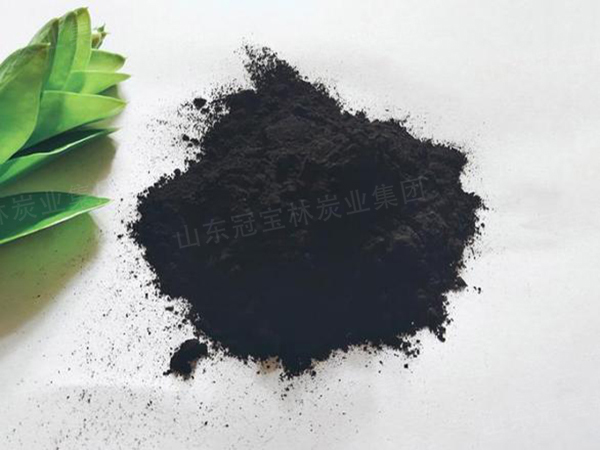
A request that only says "powdered activated carbon, 200 mesh, 20 tonnes" still leaves the feedstock open. Wood-based and coal-based powders can look the same in a bag, and both may be steam-activated. They are not automatically interchangeable.
This article compares the wood-based powdered activated carbon and coal-based powdered activated carbon listed on this site, and what to confirm before ordering. To compare powder and granules, start with Granular vs Powdered Activated Carbon: Process Fit.
How do wood-based and coal-based PAC differ in feedstock and activation?
Both listed powdered products use high-temperature steam activation in an internally heated rotary kiln. Their published difference starts with raw material, not kiln type.
The coal-based powdered carbon page lists anthracite; the wood-based powdered carbon page lists pear, peach and birch wood. No chemical activation step is listed on either page.
PAC means powdered activated carbon: it describes a form, not one guaranteed grade. Feedstock, activation conditions and the agreed specification all matter.
Which published uses point you to wood-based or coal-based PAC?
Use the listed applications as a starting point, then confirm suitability through specifications and testing. Neither feedstock is universally better.
| Point of comparison | Wood-based PAC | Coal-based PAC |
|---|---|---|
| Listed feedstock | Pear, peach and birch wood | Anthracite |
| Published applications | Drinking-water treatment; VOC exhaust-gas treatment | Decolourization, crystallization, filtration and purification; waterworks, wastewater and waste-incineration contexts |
| Advantages stated on the product page | Large surface area, mainly microporous structure, uniform porosity, rapid adsorption and suitability for dynamic filtration | Very fast adsorption, flocculation and filter-aid effects, with low operating cost |
These are the product pages' descriptions, not side-by-side trial results. The wood-based page does not publish a decolourization rating, and the coal-based page does not publish a VOC rating. A missing rating is not proof that a grade is unsuitable, but it is a reason to ask for relevant test data.
For drinking water, a listed use or a wood or coal origin is not sufficient on its own. Confirm applicable drinking-water treatment-chemical or contact-material requirements and quality limits, then request the evidence and tests those rules require. Test performance against the actual water. For the coal page's stated flocculation and filter-aid effects, confirm behaviour with the intended coagulant and filtration process rather than assuming a guaranteed benefit.
The wood-based page lists VOC exhaust treatment but does not specify gas-contacting arrangements or downstream powder capture. Include both in the inquiry. For a packed-bed gas adsorber, assess pelletized activated carbon or honeycomb carbon against flow, concentration and pressure-drop limits; do not treat loose powder as a drop-in bed fill.
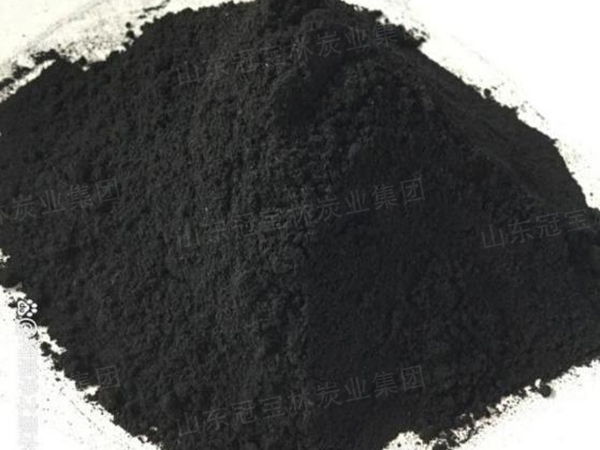
When should you stay with powdered carbon instead of switching to GAC?
Powder suits processes designed to dose carbon into a tank, clarifier or slurry and then separate it with sludge or filtration. Evaluate granular carbon for equipment designed to retain, backwash or transfer granules.
The choice is about the contacting and separation process, not iodine number alone. Coal-based GAC and coconut-shell GAC are options to assess for granular-media filters and contactors. PAC cannot simply replace the specified granular bed. For an existing spent-powder stream, see the PAC regeneration equipment checklist.
What should you confirm on the purchase order?
Agree feedstock, particle-size distribution, activity test methods, and relevant moisture and ash limits as written acceptance criteria rather than relying only on typical figures.
Feedstock: specify wood-based or anthracite-based, including particular wood types if required. PAC alone leaves the material open.
Particle size: state the sieve standard and passing percentage, not just a mesh number. Finer particles can shorten diffusion distances but also change dust handling, wetting and downstream separation. Check these against the actual dosing system.
Activity: iodine number is measured using a liquid-phase test and should not be the sole basis for every duty. For colour removal, agree an appropriate decolourization or methylene-blue test if relevant. For VOC adsorption, ask for relevant vapour-phase performance data or a suitable trial. Neither product page publishes one iodine, methylene-blue or mesh range for all orders. Obtain a written grade specification; see how to read an activated carbon specification sheet for typical versus guaranteed figures.
Moisture, ash and packaging: agree the limits, methods and packaging requirements before ordering. Check the batch COA against those agreed limits; do not wait until delivery to define them. State bag size, liner and handling requirements, and follow storage instructions.
A jar test can assess a liquid-treatment application, while gas duties require an appropriate gas-contact test. A COA documents reported batch properties; it does not by itself prove performance in the plant.
What should the first inquiry include?
Liquid or gas duty, main contaminants and colour or emission target
Dosing point and contact time; for gas use, contacting method and downstream powder capture
Flow, temperature, and pH or humidity where relevant
Existing PAC specification and any feedstock requirement
Required activity, particle-size, moisture, ash and application-specific quality tests
Quantity, packaging, destination and delivery window
Send these through the contact page, so the proposed grade can be assessed against stated conditions instead of price per tonne alone.
What else should you ask before you order powdered activated carbon?
Is wood-based powdered activated carbon always better for drinking water?
No. The wood-based page lists drinking-water treatment, and the coal-based page lists waterworks and wastewater. These descriptions and feedstock alone do not establish suitability. Confirm applicable local quality requirements, supporting evidence and performance in the actual water.
Can I substitute coal-based PAC for wood-based PAC at the same iodine number?
Not automatically. Equal iodine numbers do not establish equal pore structure, ash, particle size or interaction with coagulants. Test the proposed replacement and agree a written specification before changing grades.
What is the difference between steam-activated and chemically activated PAC?
Steam activation develops porosity by reacting carbonized material with steam at high temperature. Chemical activation uses an activating chemical with heat, followed by processing such as washing. The route can affect pore structure and residual substances, but it does not alone determine performance. Both products discussed here list steam activation; no chemical activation step is published. If a quote specifies chemical activation, ask which agent was used and which relevant residual and quality limits apply.
What do you need to quote wood-based or coal-based PAC?
Provide the application, contaminants or colour target, quantity, target specification, packaging and destination. Include the current grade's specification and COA if available, plus trial conditions and results where relevant.
Previous: None
Next: None