
Rotary-Kiln Activation Systems: What to Define Before Requesting a Quote
Planning a rotary-kiln steam activation line for activated carbon? Define the carbonized feed, daily capacity, target grade, heating route, finishing and exhaust scope before you request a quote.
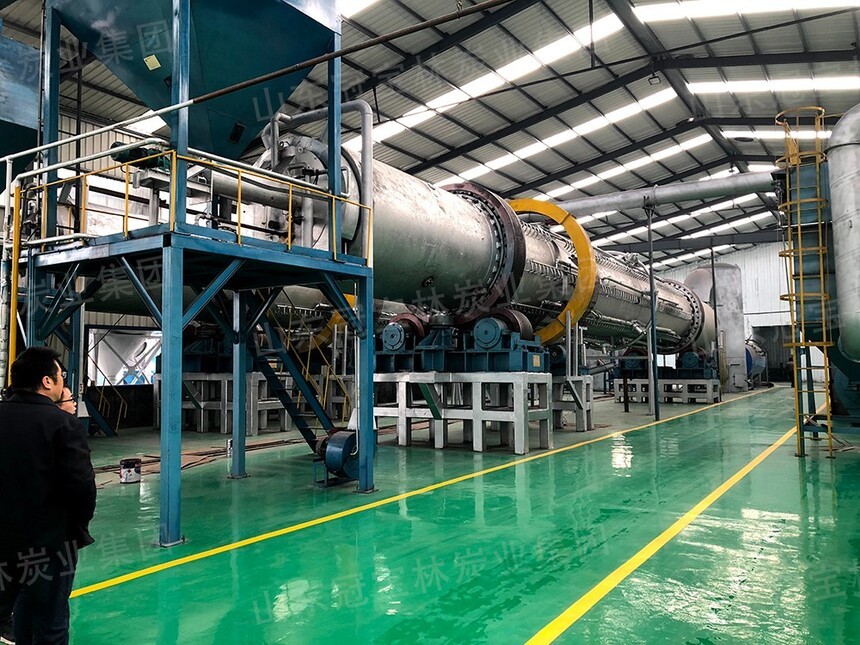
An activation kiln is the step that turns a carbonized char into activated carbon, so it is also the step where an incomplete inquiry costs the most. Two quotations for "a rotary activation kiln" can describe very different scopes: a different feed, a different daily output, a different heating arrangement, or a package with or without finishing and exhaust treatment. Comparing them on price alone rarely works.
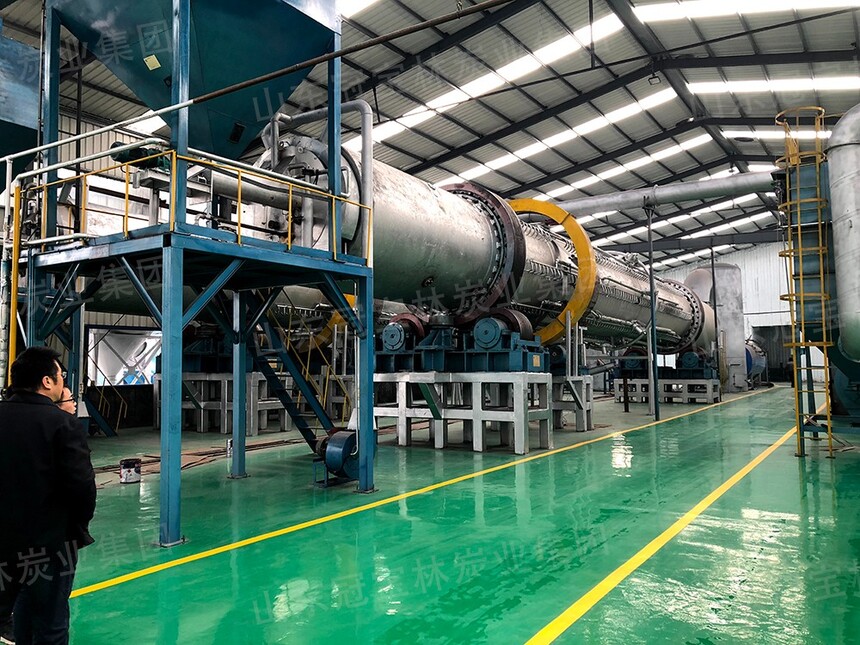
This note sets out what a carbon producer, project developer or EPC contractor should define before asking for a rotary-kiln activation proposal. It uses only what Guanbaolin publishes for its Rotary-Kiln Activation System for Activated Carbon Production.
1. Confirm that the feed is ready for activation
The published system is continuous rotary-kiln equipment for high-temperature physical steam activation. Carbonized material reacts with high-temperature steam to develop the activated pore structure. In other words, the kiln expects a carbonized input, not raw shell, wood or coal.
Before you inquire, state:
The raw material behind the char. The product page lists anthracite, bituminous coal, coconut shell, walnut shell, peach pits, wood and resin-based carbonaceous feedstocks as suitable.
Whether the char already exists, comes from your own carbonization step, or still needs a carbonization line. If it is the last case, review a carbonization system such as the Rotary-Kiln Carbonization System in the same discussion.
The form and size range of the char (granular, crushed, pelletized or other) and its typical moisture and volatile content, if you have test data.
If your feedstock is biomass fibre rather than char, a one-step route may be the better comparison. We covered that in Biomass to Activated Carbon: What to Check Before Choosing a One-Step Carbonization and Activation Line.
2. Size the kiln by product per day
The published capacity range is 0.5–5 t/day. Say which basis you are using:
Tonnes per day of activated product, or tonnes per day of char fed to the kiln. Activation consumes part of the carbon, so the two are not the same number.
Planned operating days per year and whether the line runs continuously.
Whether you expect to start at one capacity and expand later.
A capacity figure without its basis is one of the most common reasons two quotations cannot be compared.
3. Describe the target product, not just "high quality"
Activation conditions and residence time are set around the grade you want to sell or use. Give the supplier the specification your buyer or process actually checks, for example:
The end application (water treatment, air and gas purification, gold recovery, or another duty)
The key acceptance parameters, such as iodine number, particle size, hardness or ash, and the test standard your buyer uses
Any grade you are trying to match or replace
Guanbaolin does not publish a guaranteed iodine number or yield for the kiln itself, because those depend on the feed and the operating conditions. Where the feed or target is new, a test on your own char is the reliable way to set expectations. See Pilot Testing and Project Planning.
4. Agree the heating route and site utilities
The published system is available with internal or external heating, and the product page describes the patented equipment as needing no additional heating. Ask the supplier to explain what that means for your feed and capacity, and share:
The fuels and power supply available on site
Steam availability, or whether steam must be generated as part of the package
Water supply and any limits on water use
Site altitude, climate and the space available for the line
When you compare offers on running cost, compare them on the same basis. Our earlier note, Activated Carbon Production Equipment: How to Compare Energy Consumption per Tonne, explains which assumptions to line up.
5. Define the scope around the kiln
The product page states that finishing and exhaust-treatment systems can be supplied as part of the package, and that exhaust emissions are designed to meet national standards. For an export project, write down:
Which steps you need after activation: cooling, crushing, screening, packing or other finishing
Which emission limits apply at your site, so the exhaust system is reviewed against the local requirement rather than assumed
Feeding, conveying and storage you already have, and what must be included
Installation, commissioning and operator training expectations
6. What to send in one message
A first inquiry that a technical team can act on includes:
Feedstock and char condition
Required capacity, with its basis (product or feed, per day)
Target specification and end application
Available utilities and heating preference
Destination country and site conditions
Project stage: study, pilot, new line or upgrade of an existing line
Send these to Guanbaolin through the contact page or by email to Vincentlee@gblcarbon.com. The team will review suitability and scope of supply and come back with the questions still needed for a commercial quotation.
Previous: None
Next: None