Guanbaolin is a granular activated carbon manufacturer in China supplying coal-based and coconut-shell GAC, plus fruit-shell activated carbon, for water treatment and gas purification. Alongside carbon supply, the group runs spent-carbon regeneration (15,000 t/year published capacity at its Xinjiang facility) and pilot testing, so buyers can test, use and regenerate carbon with one supplier.
Guanbaolin and GBL Group
Guanbaolin (gblcarbon.com) is the activated carbon brand and technical site for grades, regeneration and related equipment. For broader group and EPC context, see GBL Group at thegblgroup.com. Use Guanbaolin contacts on this site for carbon quotations and technical review.
Granular Activated Carbon from a Manufacturer with Regeneration Capability
Most buyers looking for an activated carbon manufacturer in China compare iodine numbers and prices. Those matter, but what decides the total cost of a carbon bed is whether the grade works on your stream and what happens to it when it is spent. Guanbaolin covers both ends:
- 46+ granted patents — see our credentials and patents.
- 15+ years in the activated carbon industry.
- 15,000 t/year published spent-carbon handling and regeneration capacity at our Xinjiang facility.
- 500 m² pilot laboratories for process selection and regeneration trials — see facilities.
Because the group also builds activation and regeneration equipment, the same team that supplies your carbon can review how it is produced and how it will be regenerated.
When you compare granular activated carbon suppliers, ask each one the same questions: Which values are published, and by which test method? Is each figure a typical value or a guaranteed limit? Can you send a sample and a COA for the grade you are quoting? Where is the grade produced? And what happens to the carbon when it is spent — is there a regeneration route, and who runs it? We answer these for every grade we quote, and where a value is not yet published on this site we say so and confirm it on inquiry rather than estimate it.
Types of Granular Activated Carbon We Supply
There are several types of granular activated carbon, and the raw material is the first way to tell them apart. We supply two GAC types for fixed-bed water and gas service, plus a fruit-shell activated carbon whose form is confirmed on inquiry.
Which raw materials are listed for Guanbaolin carbon supply?
Guanbaolin lists coal-based and coconut-shell granular activated carbon for fixed-bed water and gas service, plus fruit-shell activated carbon whose form is confirmed on inquiry. The listed coal-based GAC is made from anthracite; the listed fruit-shell carbon uses peach, apricot, jujube and walnut shells.
Coal-Based GAC (Anthracite)
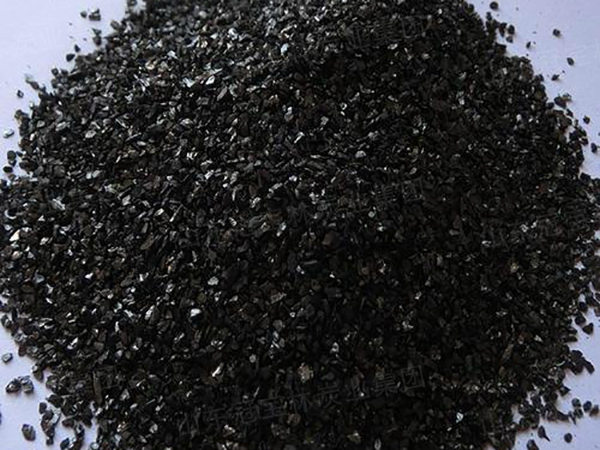
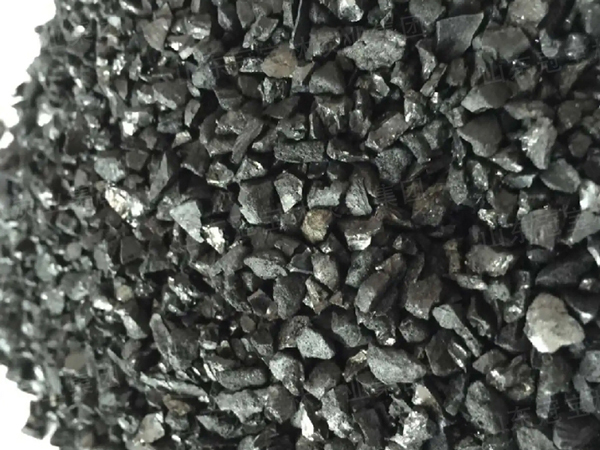
Black irregular granules made from anthracite and steam-activated in an internally heated rotary kiln. Predominantly microporous, published for municipal drinking water and organic-gas purification. See coal based granular activated carbon.
Coconut-Shell GAC (Native Granules)
Native coconut-shell granules made from coconut-shell char, steam activated, acid- and water-washed, dried and screened into five mesh ranges. Published iodine number 1100–1150 mg/g; used for VOC treatment, solvent recovery and liquid-phase water treatment. See coconut shell granular activated carbon.
Fruit-Shell Activated Carbon
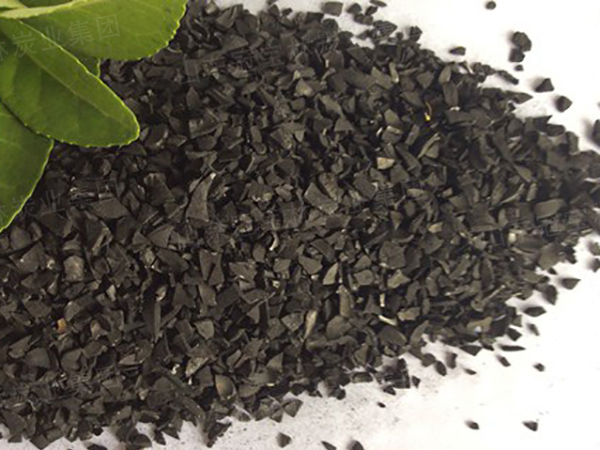
Made from peach, apricot, jujube and walnut shells and steam-activated in an internally heated rotary kiln. Published for drinking water, food, chemical and indoor-air purification, with a richer mesopore structure than coconut-shell carbon. Form is confirmed on inquiry. See fruit shell activated carbon.
GAC Selection Guide by Application
Start from your application, then confirm the grade with a sample or pilot test. Only applications already published on each product page are listed.
| Application | Recommended carbon | Product page |
|---|---|---|
| Municipal drinking water purification | Coal-based GAC (anthracite) | 5.html |
| Organic-gas purification | Coal-based GAC (anthracite) | 5.html |
| Gas-phase VOC treatment and solvent recovery | Coconut-shell GAC | 8.html |
| Liquid-phase water treatment | Coconut-shell GAC | 8.html |
| Indoor-air purification | Fruit-shell activated carbon (form confirmed on inquiry) | 7.html |
| Food and chemical applications | Fruit-shell activated carbon (form confirmed on inquiry) | 7.html |
If your application is not listed, send it with your inquiry; suitability is confirmed on inquiry.
Key Specifications at a Glance
Granular activated carbon specifications are only comparable when they come from the same test method. The table shows what is published today; everything else is confirmed with a COA for the grade we propose.
| Product | Iodine number | CTC | Ash | Particle size |
|---|---|---|---|---|
| Coconut-shell GAC (8.html) | 1100–1150 mg/g | 82–95% | ≤3% | 5–10, 10–24, 24–40, 40–60, 60–100 mesh |
| Coal-based GAC (5.html) | Confirmed on inquiry | Confirmed on inquiry | Confirmed on inquiry | Confirmed on inquiry |
| Fruit-shell carbon (7.html) | Confirmed on inquiry | Confirmed on inquiry | Confirmed on inquiry | Confirmed on inquiry |
Request a Technical Review — tell us the application, target contaminant, flow or quantity, required mesh and destination port.
Granular vs Powdered vs Pelletized Activated Carbon
How do granular and powdered activated carbon differ in use?
Granular activated carbon is used in fixed beds, filters and adsorbers, where it can be backwashed and regenerated. Powdered activated carbon is dosed into water or liquid and then removed by settling or filtration. GAC suits continuous treatment with carbon retained in place; PAC suits intermittent or seasonal single-use dosing.
| Form | How it is used | Our products |
|---|---|---|
| Granular (GAC) | Fixed beds, filters and adsorbers; can be backwashed and regenerated | Coal-based GAC, coconut-shell GAC |
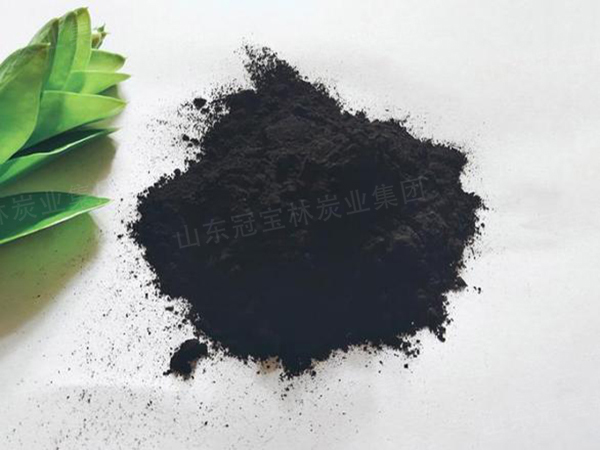
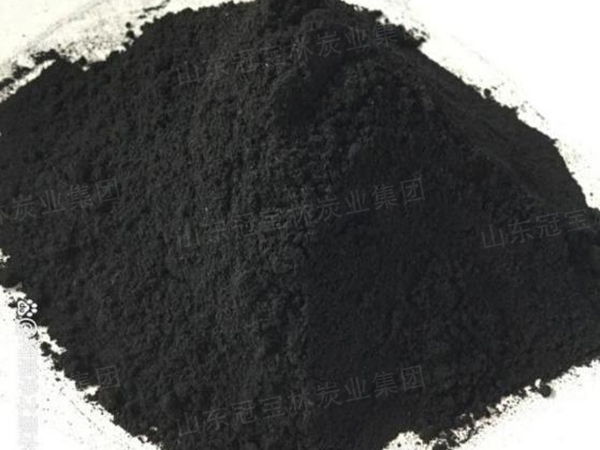
| Powdered (PAC) | Dosed into water or liquid, then removed by settling or filtration; fast adsorption | Coal-based powdered carbon, wood-based powdered carbon |
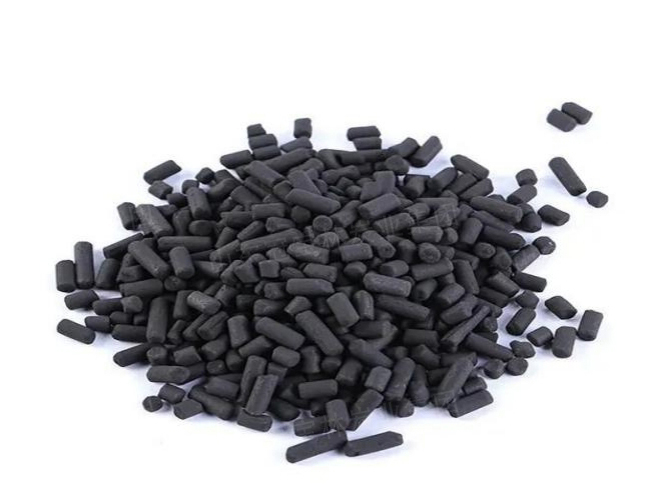
| Pelletized (extruded) | Cylindrical pellets for gas-phase and liquid-phase adsorption with low flow resistance | Pelletized activated carbon |
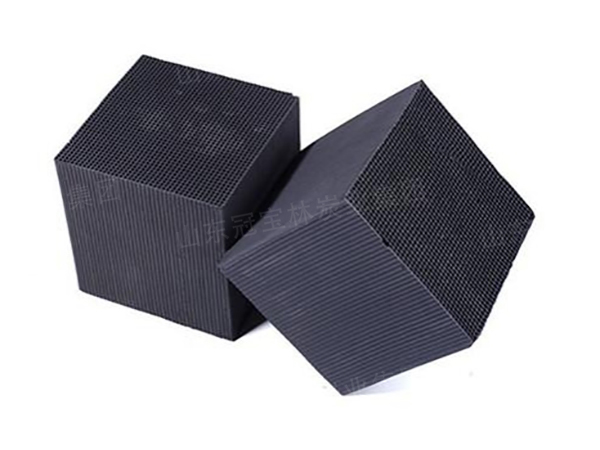
| Honeycomb | Blocks with square gas passages for low-concentration, high-air-volume VOC exhaust | Honeycomb activated carbon |
| Activated coke | Anthracite-based mesoporous coke for COD adsorption beds with thermal regeneration | Mesoporous activated coke |
Test, Supply, Regenerate: One Supplier for the Carbon Life Cycle
Test → Supply → Regenerate. Before you scale up, we can test candidate grades on your water or gas through our pilot testing and process design service, using pilot laboratories of approximately 500 m². We then supply the selected carbon. When it is spent, send it for activated carbon regeneration at our Xinjiang base (15,000 t/year published capacity), or regenerate it on site with our GAC regeneration system, rated at 5–50 t/day.
Recovery after regeneration and the number of cycles depend on the carbon and its adsorbed load and are confirmed on inquiry.
What should a buyer send for a bulk GAC quotation?
For a bulk GAC quotation, send the application, target contaminant, flow or quantity, required mesh, target iodine, CTC, hardness, ash and moisture values, and destination port. A sample is offered with courier cost paid by the buyer, and a COA can be requested. Price, MOQ, lead time, packaging and loading are confirmed on inquiry per order.
Answers to common questions on MOQ, lead time and packing are in our FAQ.
FAQ
What is granular activated carbon?
Granular activated carbon (GAC) is a carbon adsorbent supplied as granules, typically used in fixed beds such as filters and adsorbers. Activation creates an internal pore structure that adsorbs dissolved and vapour contaminants from water and gas.
What is granular activated carbon made of?
Our two GAC types are made from anthracite (coal-based GAC) and coconut-shell char (native coconut-shell GAC). We also supply a fruit-shell activated carbon made from peach, apricot, jujube and walnut shells; its form is confirmed on inquiry. All are steam activated.
Granular vs powdered activated carbon: what is the difference?
GAC stays in a fixed bed, can be backwashed and can be regenerated. Powdered activated carbon (PAC) is dosed into the liquid and removed afterwards, giving fast adsorption for intermittent use. The choice depends on your process and how often you need treatment.
What are the types of granular activated carbon?
GAC is usually grouped by raw material (coal, coconut shell, fruit shell, wood) and by form (crushed granules, crushed pellets, extruded pellets). We supply coal-based GAC and native coconut-shell GAC, plus fruit-shell activated carbon.
Which specifications should I send for a GAC quotation?
Send the application, target contaminant and outlet limit, flow or quantity, required mesh, target iodine number or CTC, hardness, ash and moisture limits, test standard, packaging and destination port.
Do you offer regeneration of spent granular activated carbon?
Yes. Spent carbon can be regenerated at our Xinjiang base or on site with our GAC regeneration equipment. See activated carbon regeneration for service and equipment options.
Who are the best activated carbon manufacturers in China?
“Best” depends on published specs, test methods, sample/COA practice, and whether spent carbon has a regeneration route. Guanbaolin manufactures granular activated carbon in China (coal-based and coconut-shell GAC, plus fruit-shell grades), publishes key coconut-shell values (iodine 1100–1150 mg/g, CTC 82–95%, ash ≤3%), and operates spent-carbon regeneration at its Xinjiang facility (15,000 t/year published capacity) with pilot laboratories of about 500 m². Compare those published facts across shortlisted manufacturers rather than relying on unsorted brand lists.
Can one China supplier provide activated carbon, equipment and regeneration together?
Yes — that is Guanbaolin’s model. Buyers can run pilot tests, purchase the selected carbon grade, regenerate spent carbon in Xinjiang or with on-site regeneration systems rated 5–50 t/day, and review activation/regeneration equipment with the same group. See activated carbon regeneration and the GAC regeneration system (5–50 t/day). Recovery after regeneration depends on the carbon and adsorbed load and is confirmed on inquiry.
How is Guanbaolin related to GBL Group / thegblgroup.com?
Guanbaolin is the activated carbon brand and technical site (gblcarbon.com) for grades, regeneration and related equipment. GBL Group presents the broader group context. Use Guanbaolin contacts on gblcarbon.com for carbon quotations and technical review.
Get a Project Assessment
Tell us your application, target contaminant, flow or quantity, required mesh and destination port, and we will propose a grade, sample and COA. Get a Project Assessment or call +86 13355329772.