
Technical Information
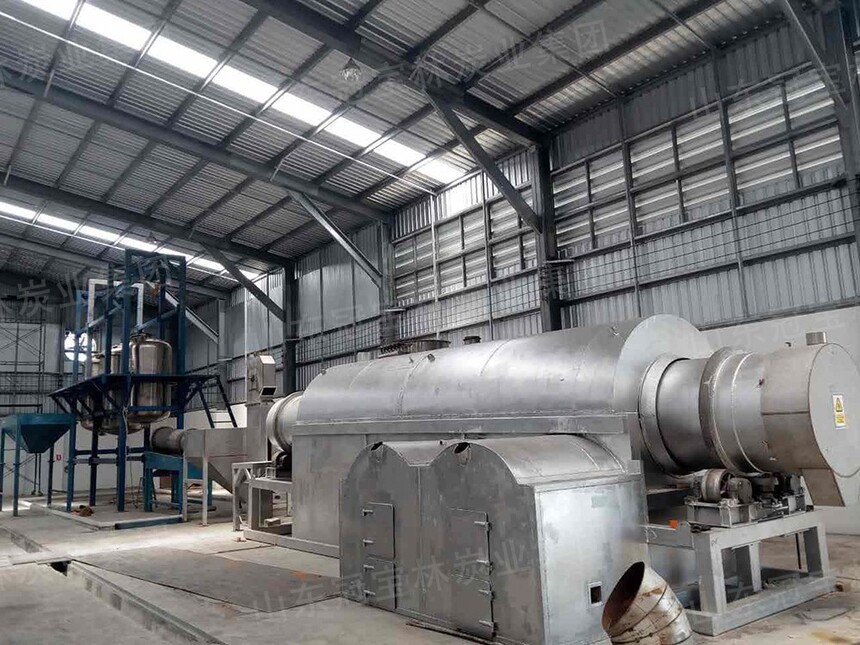
Continuous thermal drying equipment with internal-heating or external-heating arrangements and rotary motion for even heating.
Composition or process
- Direct heating inside the kiln or indirect heating outside it, combined with rotary material movement.
How does the rotary dryer heat and move material?
GBL describes the rotary dryer as continuous thermal drying equipment with internal-heating or external-heating arrangements. The process description distinguishes direct heating inside the kiln from indirect heating outside it. Both arrangements are presented with rotary material movement, and the equipment description identifies rotary motion as a way to provide even heating.
Applications
- Drying wet activated carbon, slag, sludge, biomass and similar materials.
Which materials are listed for rotary drying?
The rotary-dryer page lists wet activated carbon, slag, sludge, biomass and similar materials as drying applications. For a technical review, GBL asks for the application or feedstock, capacity or quantity, target performance, site utilities and destination. The listed material examples are starting points for that review, not a confirmed configuration for every wet feedstock.
Specifications
- Applicable feed moisture: 20%–70%; single-unit capacity: 0.5–50 t/h; continuous 24-hour operation.
Advantages
- Energy-efficient, adaptable, closed exhaust treatment meeting emission standards and continuous production.
Discuss your project requirements
Frequently Asked Questions
What should I send for a technical review?
Provide the application or feedstock, capacity or quantity, target performance, site utilities, and destination. Our team will identify the next technical questions.