
From Activated Carbon to Energy Storage Carbon: What Producers Should Evaluate First
Energy storage is bringing new attention to carbon materials. For activated carbon producers, it may open opportunities beyond established applications such as water treatment and air purification. But entering a new application starts with understanding the material specifications, not simply chang
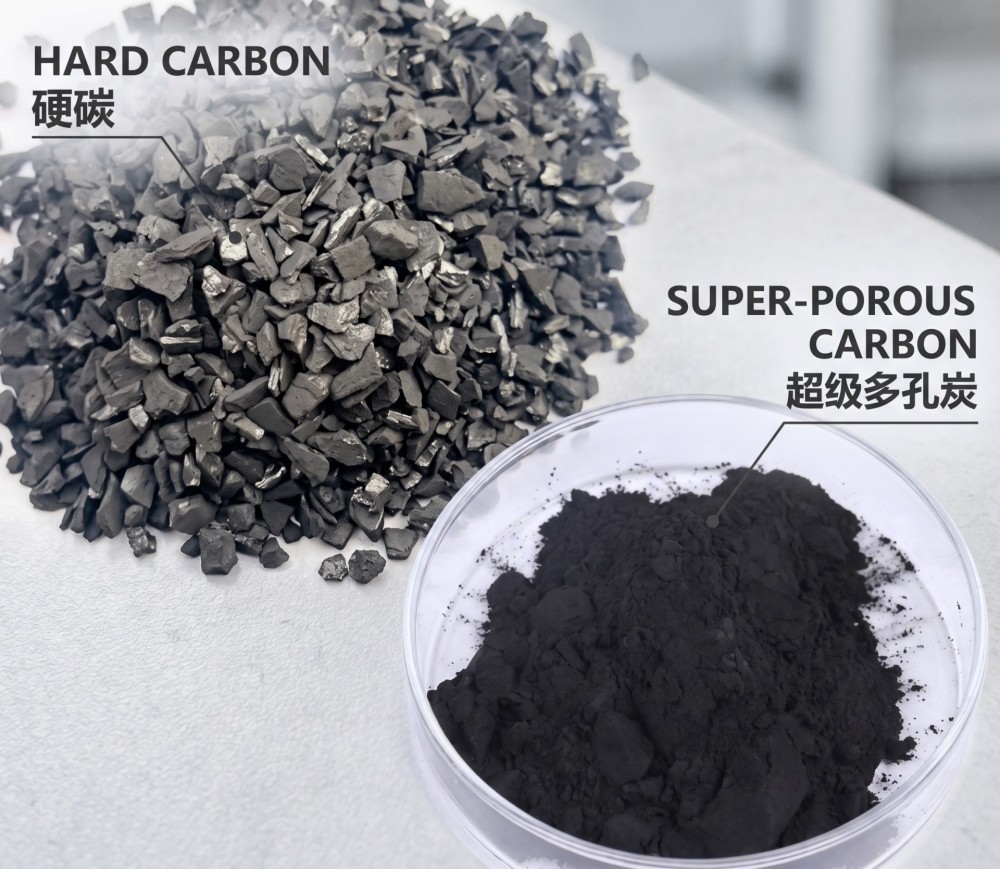
Energy storage is bringing new attention to carbon materials. For activated carbon producers, it may open opportunities beyond established applications such as water treatment and air purification. But entering a new application starts with understanding the material specifications, not simply changing a product label.
Two applications, two different materials
Hard carbon is being developed as an anode material for sodium-ion batteries. Its suitability depends on factors such as precursor selection, carbonization conditions, impurity levels and electrochemical performance.
Porous carbon, including certain activated carbons, can be used in supercapacitor electrodes. Here, pore structure, surface area, conductivity and consistency are among the important considerations.
Why does a water-treatment adsorption result not qualify carbon for an energy-storage application?
Hard carbon for sodium-ion battery anodes and porous carbon for supercapacitor electrodes are different materials with different qualification needs. The former depends on precursor selection, carbonization, impurities and electrochemical performance; the latter requires attention to pore structure, surface area, conductivity and consistency. An iodine value or water-treatment adsorption result alone does not qualify either energy-storage application.
What should producers establish before adapting a carbon production line for energy storage?
Identify the intended application and obtain its testing requirements before investing in a process or production line. Evaluate the available feedstock and the processing conditions and equipment it may require. Trial production and application-specific testing must precede performance or commercial claims; existing activated carbon equipment should not be assumed to produce qualified material without process changes or customer validation.
These materials are not interchangeable. An iodine value or adsorption result that helps assess water-treatment carbon does not, by itself, qualify a material for an energy storage application.
Start with the target specification
Before investing in a new process or production line, producers should identify the intended application and obtain its testing requirements. The next step is to evaluate the available feedstock and determine which processing conditions and equipment may be needed. Trial production and application-specific testing are essential before making performance or commercial claims.
This approach also helps avoid a costly mistake: assuming existing activated carbon equipment can produce a qualified battery or supercapacitor material without process changes or customer validation.
Guanbaolin manufactures carbon production equipment and supplies activated carbon. If you are evaluating a carbon materials project, send us your feedstock information, current process and target specifications so we can discuss the technical requirements.
Contact
Email: Vincentlee@gblcarbon.com
WhatsApp: +86 133 5532 9772
Website: https://www.gblcarbon.com/
Previous: None
Next: None