
Technical Information
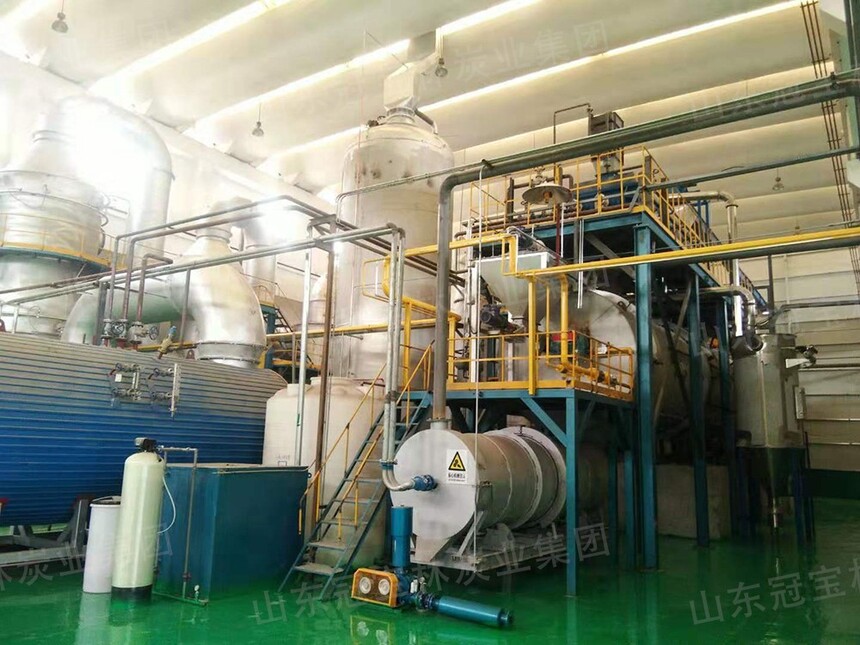
Continuous rotary-kiln biomass carbonization equipment that produces combustible gas, which is burned and routed through a waste-heat boiler for steam co-production.
Composition or process
- High-temperature pyrolysis/carbonization in oxygen-free or oxygen-limited conditions.
- The package includes a combustible-gas combustion chamber, waste-heat boiler and exhaust-treatment system.
How does biomass carbonization co-produce steam?
This system combines continuous rotary-kiln biomass carbonization with steam co-production. GBL describes combustible gas from carbonization being burned and routed through a waste-heat boiler. The listed package includes a combustible-gas combustion chamber, a waste-heat boiler and an exhaust-treatment system, with carbonization taking place under oxygen-free or oxygen-limited conditions.
Applications
- Sites with stable biomass supply and steam demand, including heating, food processing, papermaking, chemical, packaging and agricultural/forestry-waste treatment.
Which sites are listed for biomass carbonization with steam co-production?
GBL lists sites with a stable biomass supply and a demand for steam as applications for this system. The examples are heating, food processing, papermaking, chemical production, packaging, and agricultural or forestry-waste treatment. The application description therefore identifies both a biomass feedstock requirement and a steam-use context, rather than an industry name alone.
Specifications
- Carbonization feed: 3–50 t/day; steam: 0.5–10 t/h.
Advantages
- Patented equipment requiring no additional heating, with exhaust emissions meeting national standards.
Discuss your project requirements
Frequently Asked Questions
What should I send for a technical review?
Provide the application or feedstock, capacity or quantity, target performance, site utilities, and destination. Our team will identify the next technical questions.